HPLC-CAD Application Brief
Trifluorobutyl sulfonate in photoacid generators for photoresist




 Instrumax (Tianjin) Co., Ltd.
Trifluorobutyl sulfonate in photoacid generators for photoresist
Instrumax (Tianjin) Co., Ltd.Photolithography is a critical process in integrated circuit (IC) manufacturing, accounting for about 40%–50% of chip manufacturing process time. Photoresist is a key semiconductor material and accounts for a major share of lithography-related cost.
Photoresist is a complex mixture of organic solvents, polymer resins, photoacid generators (PAG) and additives. PAG purity and impurity control affect photoresist quality, resolution and semiconductor yield.
Because the polyfluorosulfonate anion has almost no UV absorption, the Charged Aerosol Detector (CAD), which does not rely on optical activity, is suitable for quality-control evaluation of PAGs. This application uses trifluorobutyl sulfonate as the example.
Instrumax (Tianjin) Co., Ltd.Instrument: Agilent 1200 liquid chromatograph with Instrumax CADetector a1 Charged Aerosol Detector (CAD).
Reagents: pure water, acetonitrile (chromatography grade) and formic acid (analytical grade).
Sample: triphenylsulfonium trifluorobutanesulfonate.
Column: InfinityLab Poroshell 120 EC-C18. Column temperature: 55 °C. Flow rate: 0.4 mL/min. Injection volume: 5 μL.
Mobile phase A: 0.2% formic acid aqueous solution. Mobile phase B: acetonitrile. Gradient elution.
CAD conditions: CADetector a1; drift tube 40 °C; atomizing gas 3 L/min; polarization current 1 μA; polarization gas 1 L/min.
Diluent: methanol and methanol-water (1:1). A 2000 µg/mL triphenylsulfonium trifluorobutanesulfonate stock solution was prepared in methanol and diluted stepwise to 1, 2, 5, 10, 100 and 1000 µg/mL.
Instrumax (Tianjin) Co., Ltd.Under these conditions, the anion and cation showed suitable retention times, good resolution, good peak shape and strong peak response.
For a 1 µg/mL sample with 5 μL injection, triphenylsulfonium showed S/N 1097.4 (ASTM method), and trifluorobutyl sulfonate showed S/N 122.9 (ASTM method).
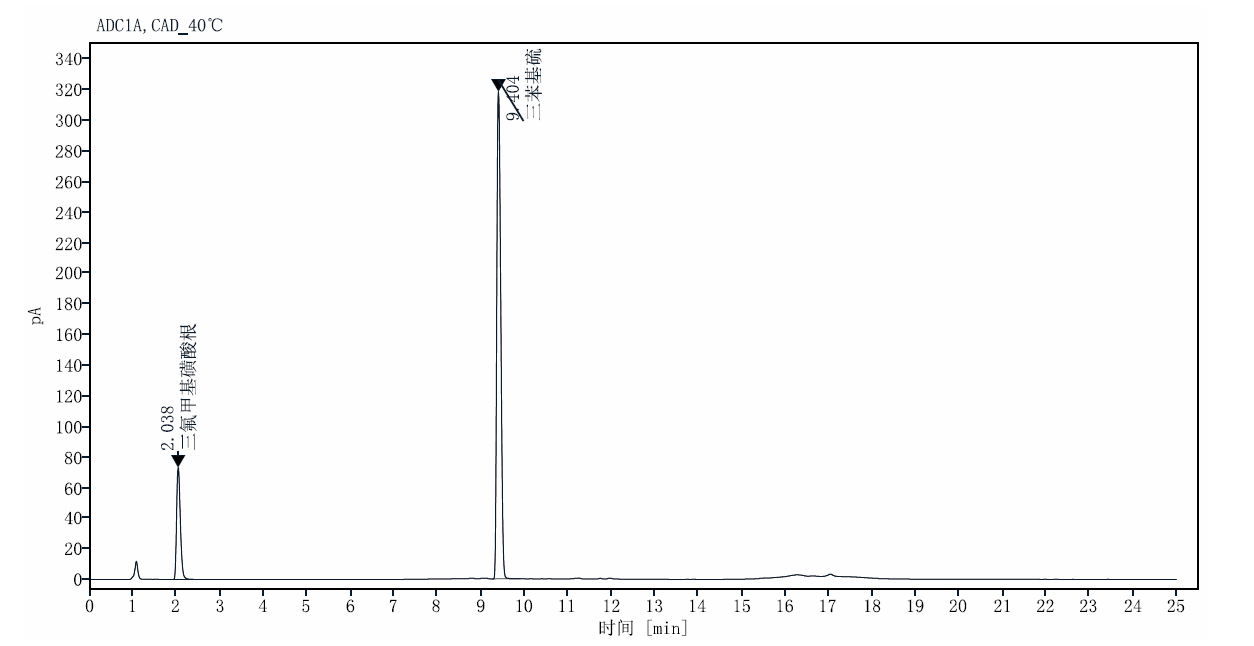
Figure 1. Method applicability chromatogram.
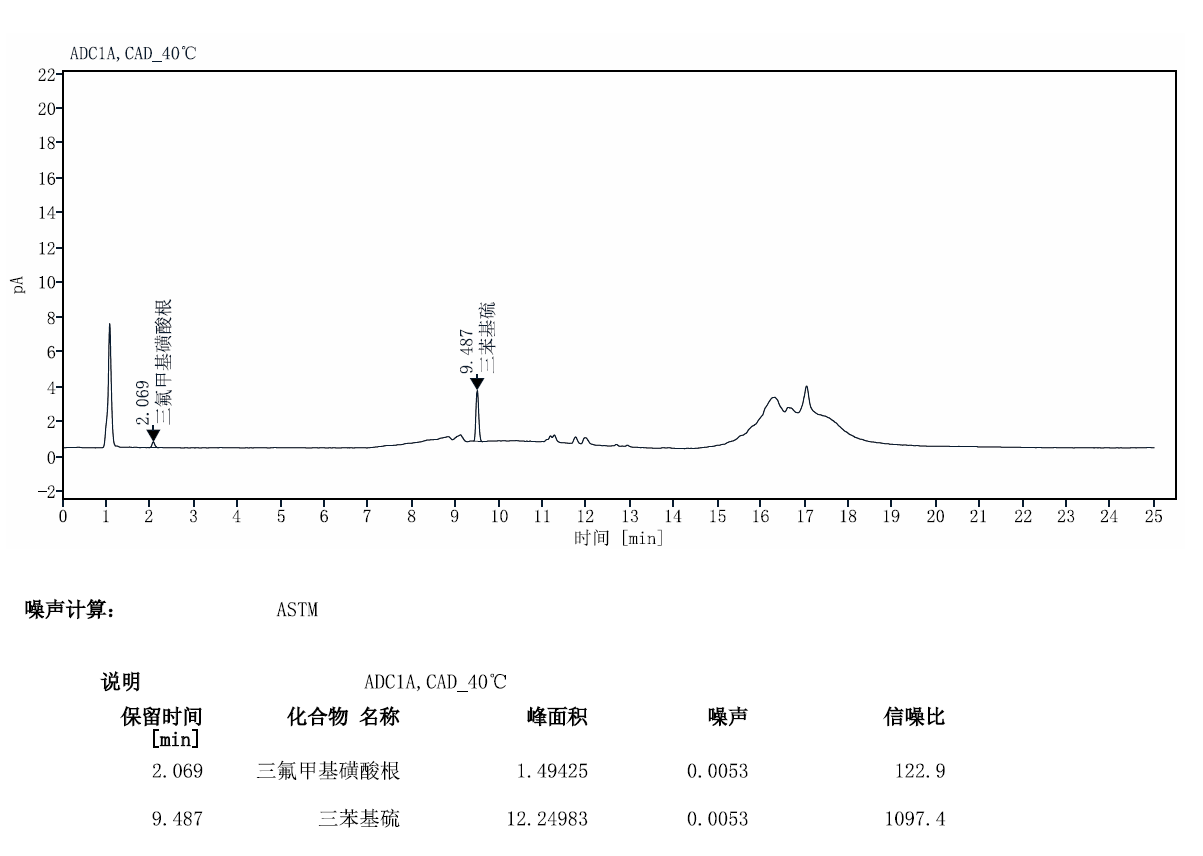
Figure 2. Sensitivity result for 1 µg/mL sample.
Instrumax (Tianjin) Co., Ltd.Six consecutive injections were used to evaluate repeatability. The triphenylsulfonium peak-area result was RSD 0.880%, and the trifluorobutyl sulfonate peak-area RSD% was 1.222%; both were below 2.0%, indicating good repeatability.
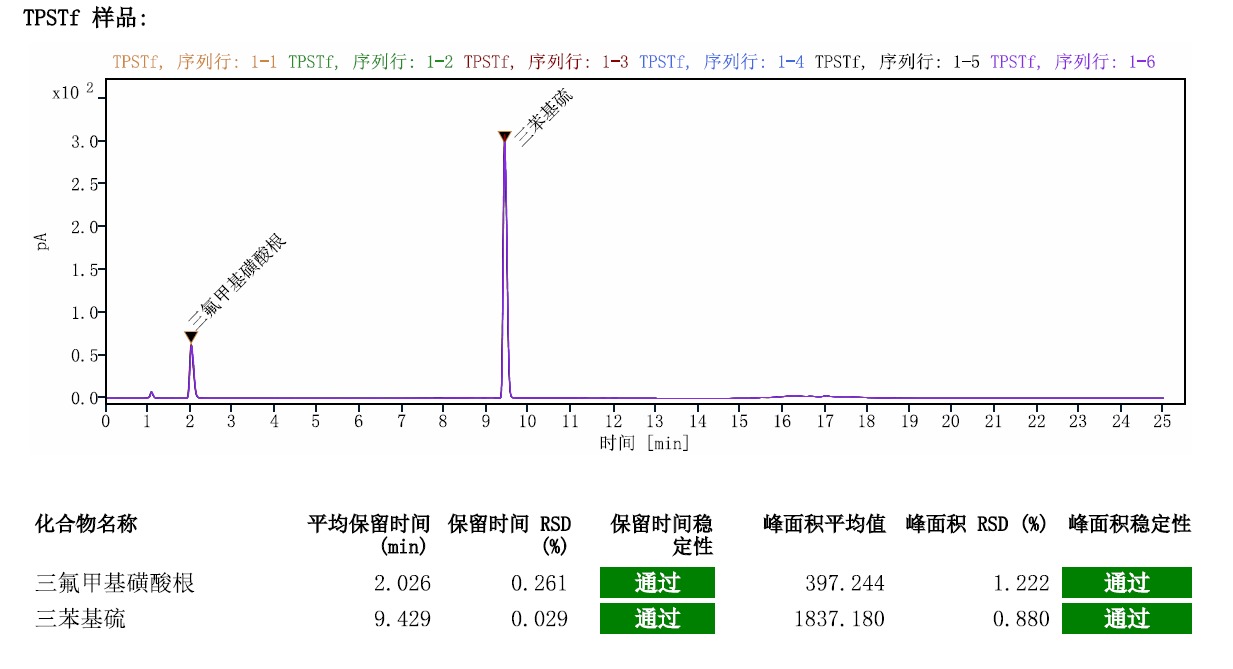
Figure 3. Six-injection repeatability chromatogram.
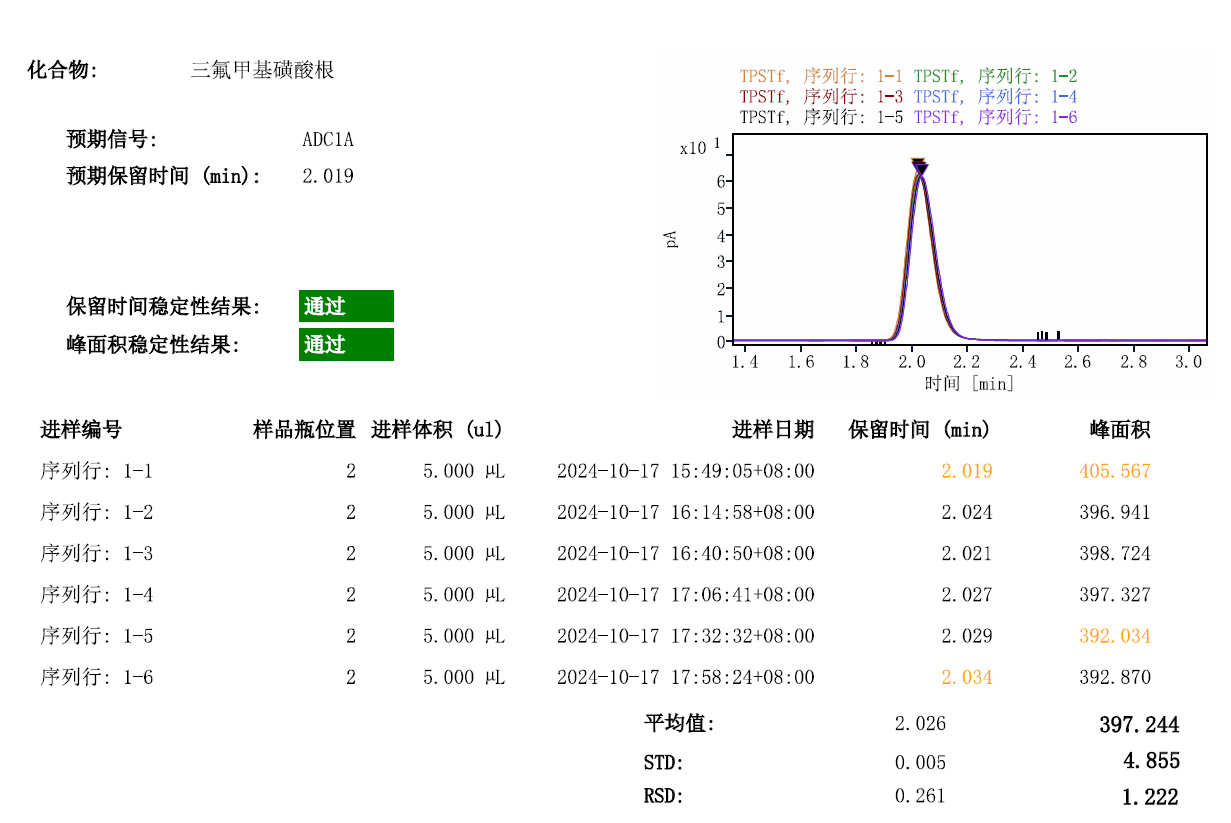
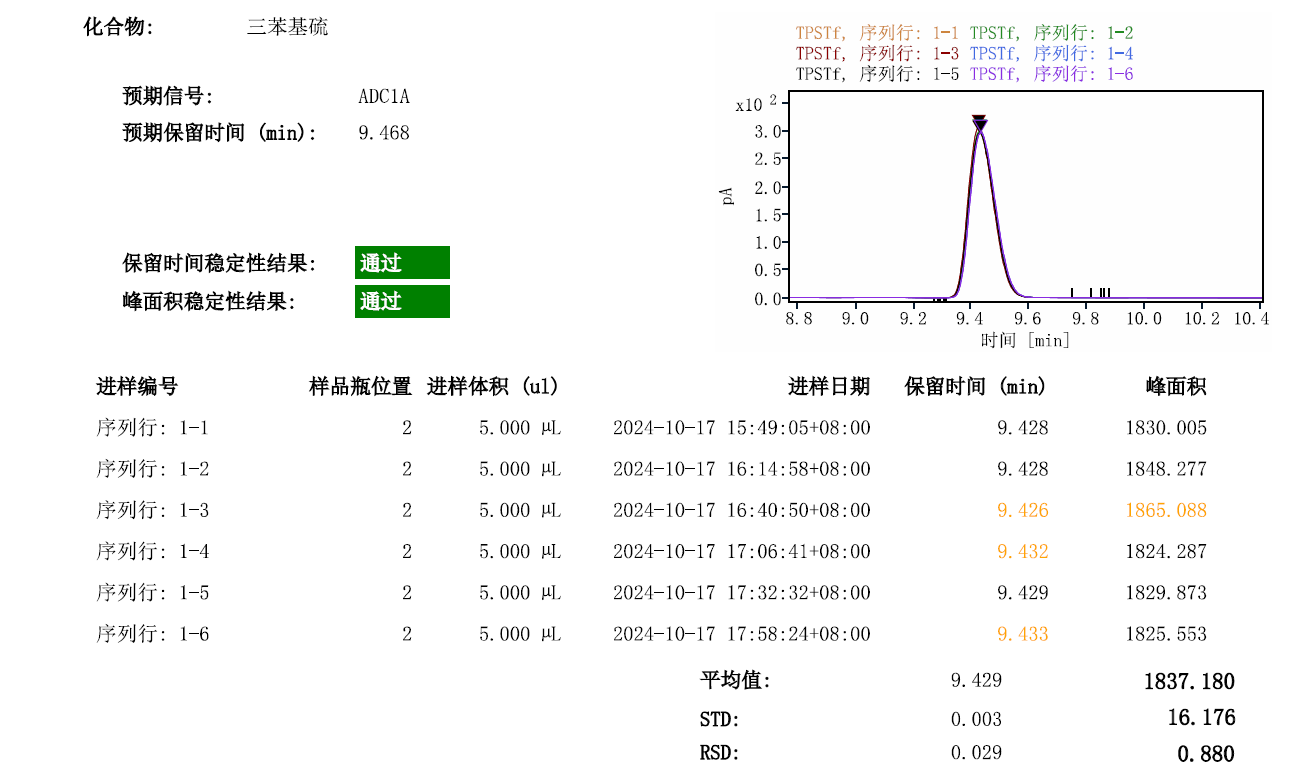
Figure 4. Repeatability data for triphenylsulfonium and trifluorobutyl sulfonate.
Instrumax (Tianjin) Co., Ltd.Across 1–1000 µg/mL, the correlation coefficient for triphenylsulfonium was R 0.99995, and the correlation coefficient for trifluorobutyl sulfonate was R 0.99976, showing good linearity and a wide linear range.
This HPLC-CAD method analyzes the anion in a photoacid generator sample. The method offers high sensitivity, good ion separation, good repeatability and a wide linear range, and can be used for PAG quality-control and method evaluation.
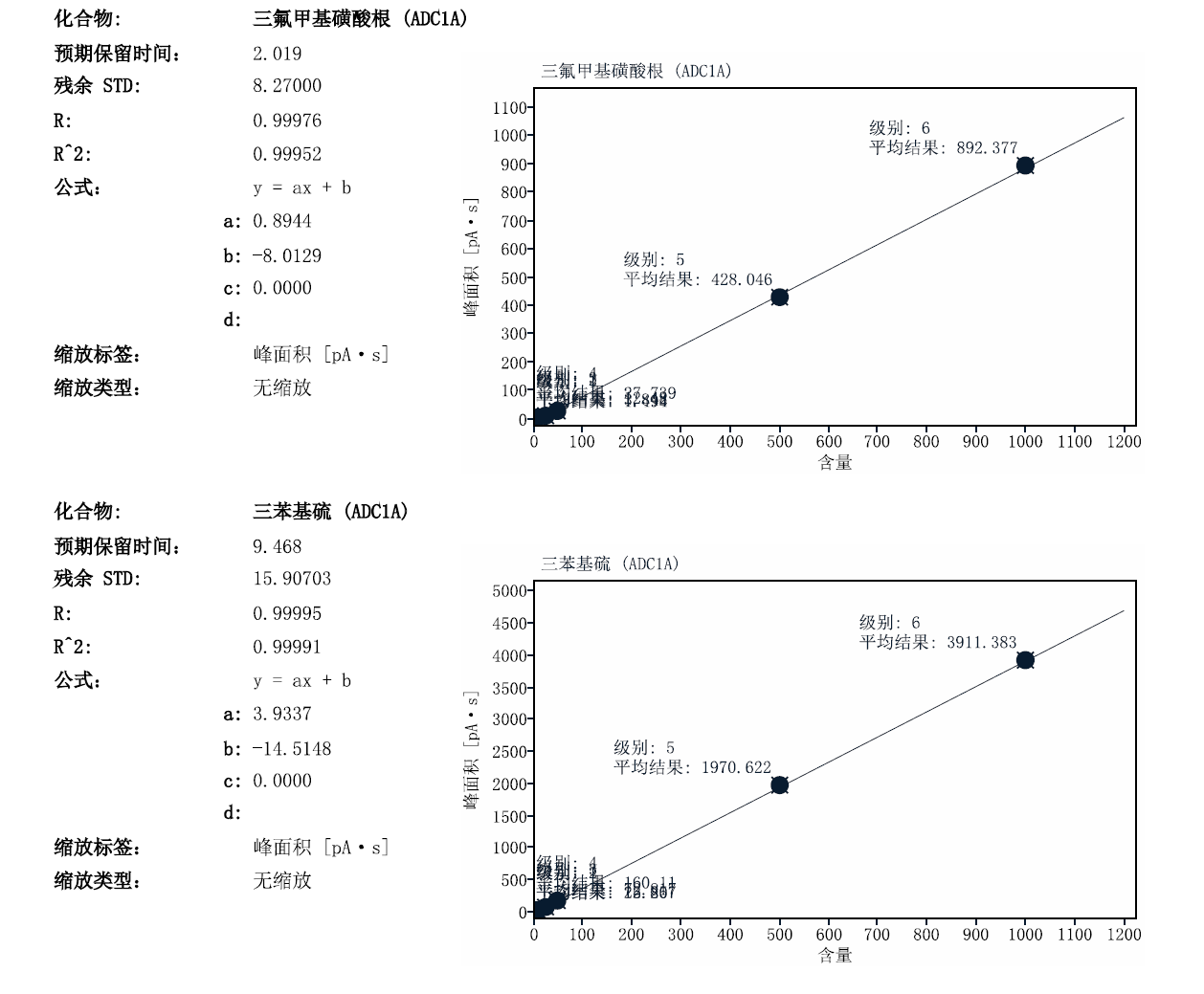
Figure 5. Linearity results from 1–1000 µg/mL.