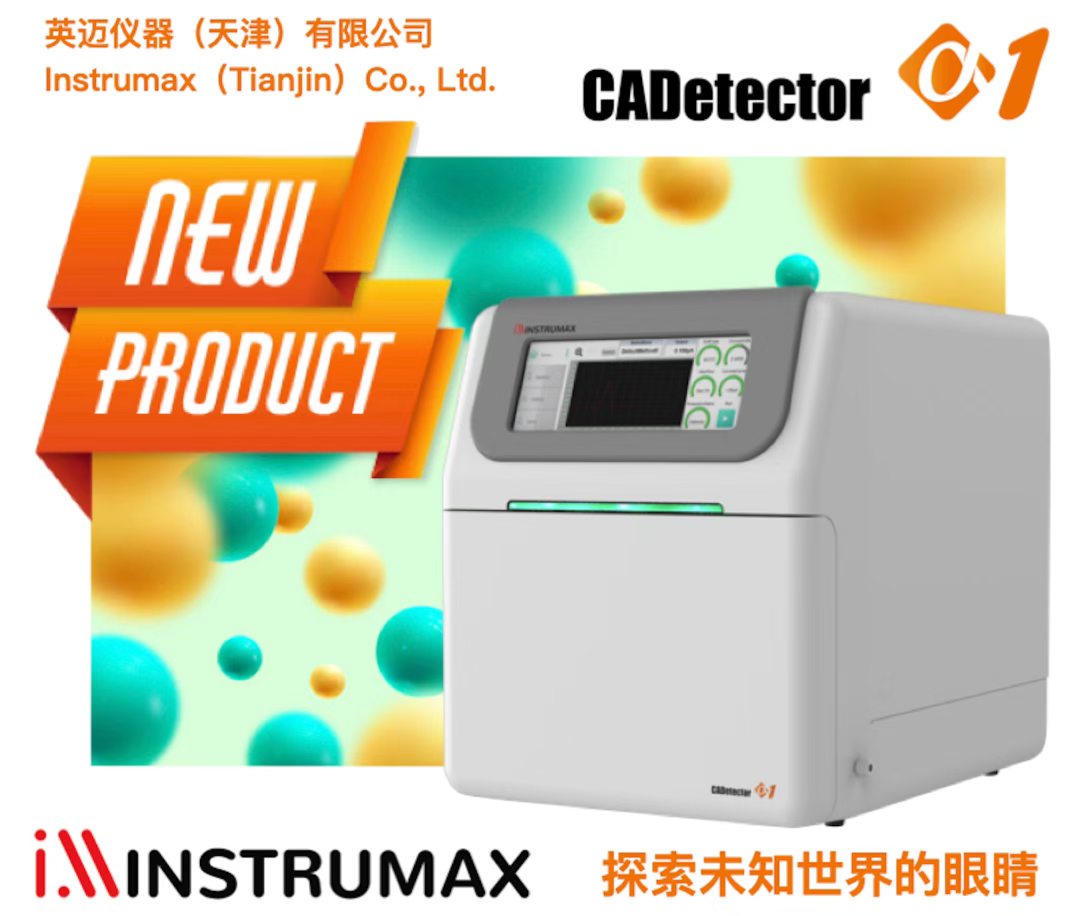
China-Made Breakthrough in Lithium-Battery Testing: Instrumax CAD Enables Precise Analysis of Non-UV Sulfate Ester Additives
Date:
01 Lithium-battery formulation upgrades create a detection bottleneck
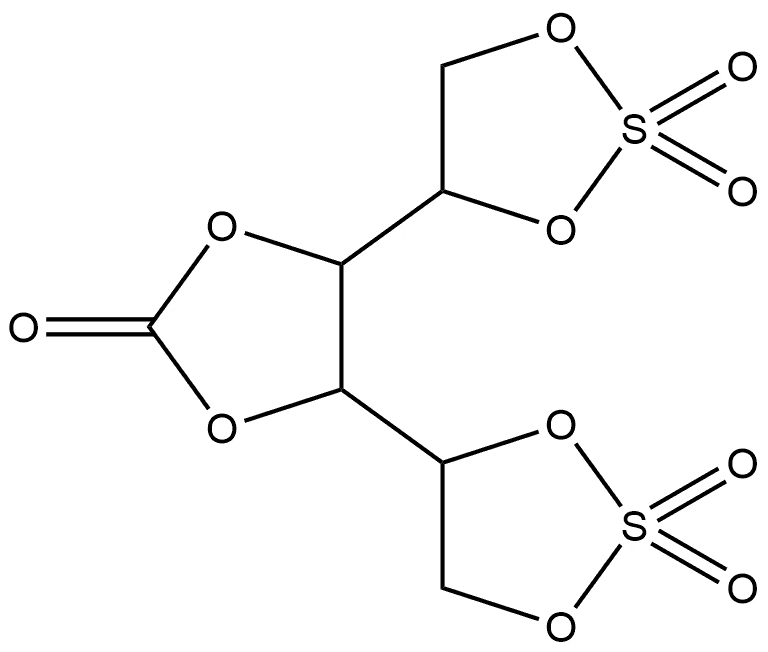
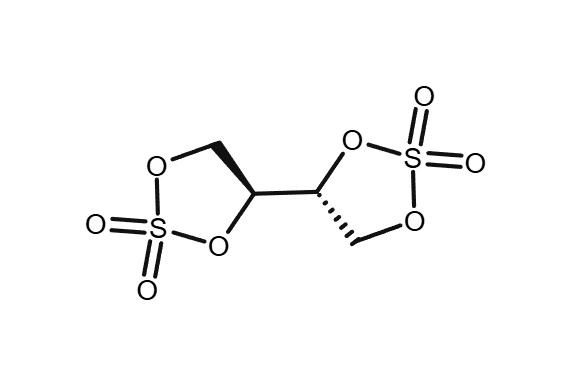
As power and energy-storage batteries demand longer cycle life, higher safety and stronger low-temperature performance, erythritol bis-sulfate and mannitol carbonate sulfate have become key functional additives in advanced electrolyte formulations.
These sulfate ester additives can help form a dense and stable SEI passivation film on the negative electrode, suppress electrolyte decomposition, reduce interfacial side reactions, and improve low-temperature performance and cycle stability.
In practical QC, however, these compounds often leave laboratories with three hard problems:
Little or no UV absorption because the molecules lack conjugated chromophores; conventional UV detectors may not see them.
ELSD quantitation can be inaccurate because evaporative light-scattering response is nonlinear, causing large errors across concentration ranges.
Ion chromatography compatibility is limited; salt mobile phases are not well matched to organic electrolyte matrices.
For a long time, precise testing of these materials depended heavily on imported high-end CAD systems, with high equipment cost, expensive consumables and slower after-sales response.
02 China-made alternative benchmark: CADetector a1 for lithium-battery testing
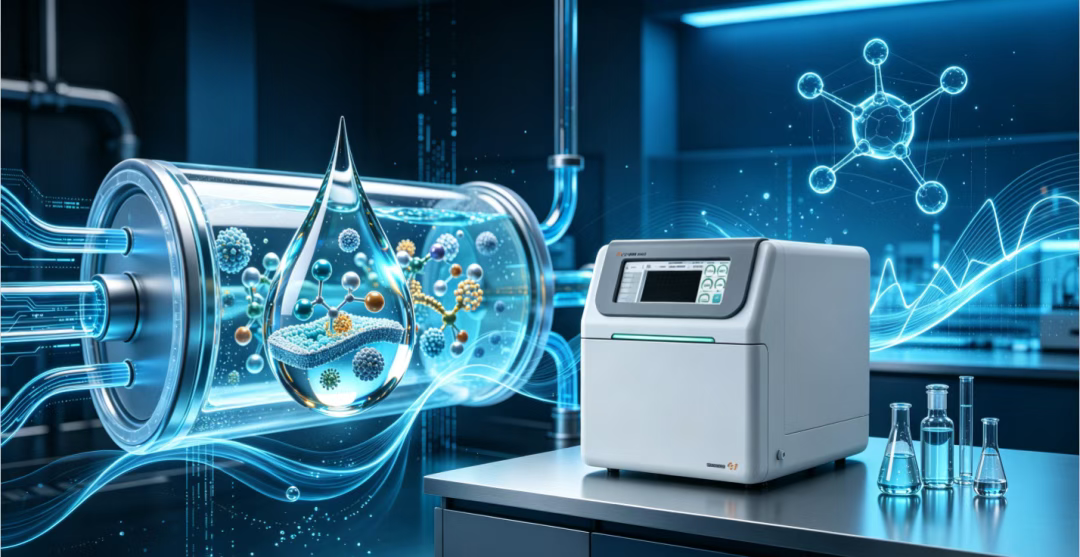
To address non-UV electrolyte additive testing, Instrumax developed CADetector a1, a charged aerosol detector built on in-house core technology. It is well suited to simultaneous analysis of erythritol bis-sulfate and mannitol carbonate sulfate.
CAD does not depend on optical properties. It detects analytes through charged aerosol response and provides broad, uniform and sensitive detection for poorly volatile, non-UV and polar organic compounds.
03 Data speaks: high resolution, high sensitivity, high stability
We built a complete LC method for the two core sulfate ester additives, and the data showed strong performance.
Excellent separation without cross-interference
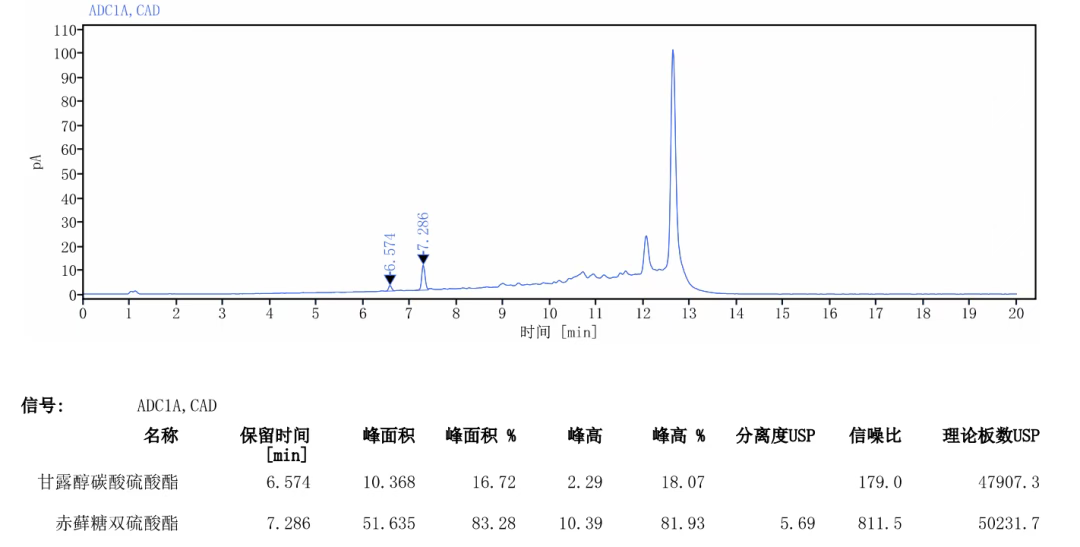
Mannitol carbonate sulfate and erythritol bis-sulfate showed symmetric peaks without tailing. The two analytes achieved baseline separation with a resolution of 5.69, supporting synchronized multi-component analysis within 20 minutes.
Ultra-low-level sensitivity for trace screening
At 5 μg/mL sample concentration and 5 μL injection volume, CADetector a1 still delivered strong response; the signal-to-noise ratio for erythritol bis-sulfate reached 811.5.
Excellent linearity and accurate quantitation
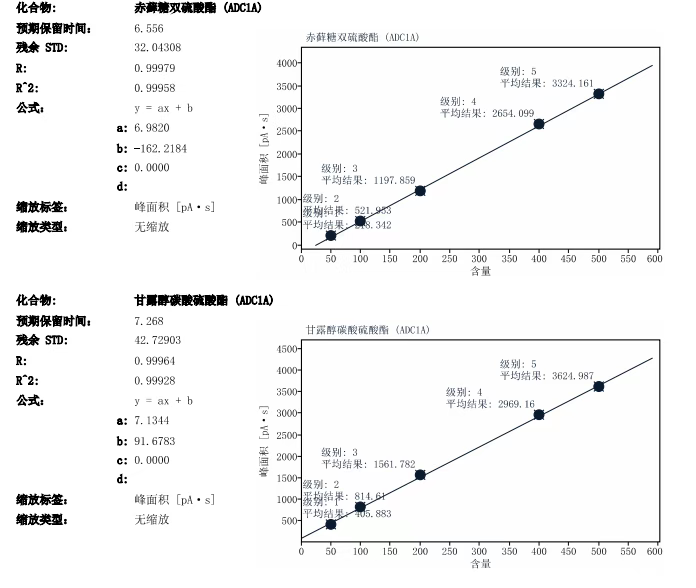
Correlation coefficients across the tested concentration range were all > 0.999. The workflow avoids cumbersome double-log or quadratic ELSD fitting and enables accurate quantitation across concentration levels.
Outstanding stability for production QC
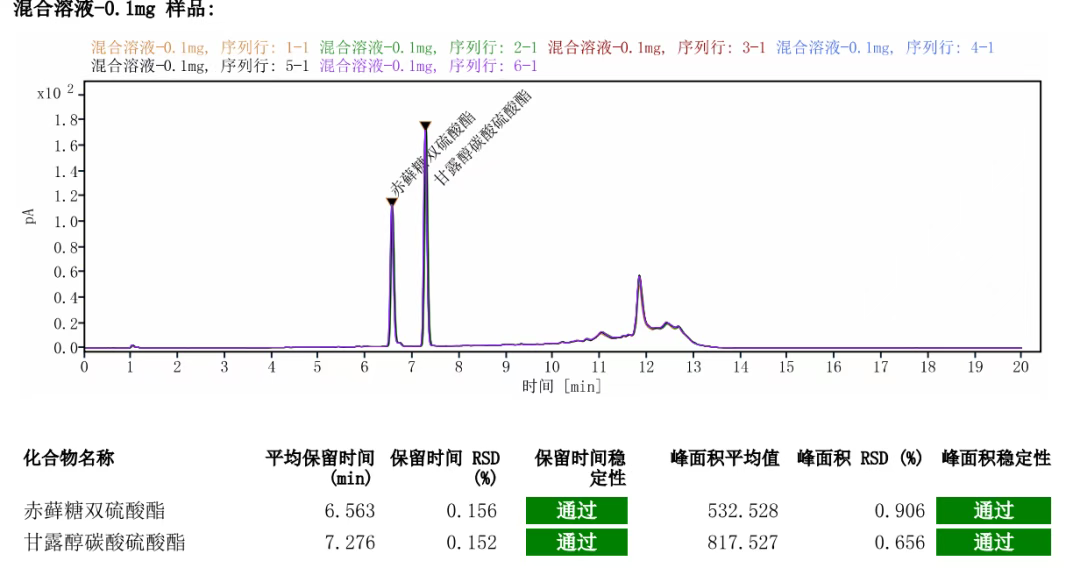
Six consecutive injections showed retention-time and peak-area RSD values far below 2%, with stable baseline and minimal drift, meeting batch QC requirements.
04 Five core advantages over imported systems
Fully self-developed core technology
Nebulization, charging and signal acquisition modules are developed and manufactured in house, improving supply-chain control.
Compatible with all major HPLC brands
Compatible with China-made and imported HPLC systems without replacing existing instruments; digital signal connection reduces external conversion requirements.
Lower long-term operating cost
China-made instrument supply and consumables reduce operating cost; intelligent gas-control algorithms help lower nitrogen consumption.
Fast China-based technical service
China-based technical support responds quickly to installation, method development and optimization needs.
Application-specific optimization
Continuous optimization for sulfate esters, phosphate flame retardants, polyols and other lithium-battery analytes supports complex sample workflows.
05 Conclusion: a preferred China-made solution for lithium-battery analysis
The results show that Instrumax CADetector a1 can accurately, stably and efficiently determine erythritol bis-sulfate and mannitol carbonate sulfate in electrolyte samples, with performance aligned to advanced international workflows.
As China’s lithium-battery supply chain accelerates replacement of imported analytical systems, CADetector a1 combines comparable performance, lower cost, better service and stronger compatibility, helping R&D, incoming inspection, process control and final QC teams build China-made analytical capability.
The instrument is also suitable for phosphate flame retardants, organic polyols, non-UV lithium salts and other new-energy material analyses.
For detailed methods, raw chromatograms and technical consultation, please contact Instrumax.